



How do I install a drainage system in a 20ft flat pack container?
Dec 11, 2025
Leave a message
Hey there! I'm a supplier of 20ft flat pack containers, and today I wanna share with you how to install a drainage system in one of these containers. Whether you're using the container for storage, a workshop, or even a living space, having a proper drainage system is crucial to prevent water damage and keep the interior dry.
Why a Drainage System is Necessary
First off, let's talk about why you need a drainage system. 20ft flat pack containers are pretty sturdy, but they're not immune to water issues. Rainwater, condensation, or even spills can accumulate inside the container. Without a way to get rid of this water, it can lead to mold growth, rust on the container's metal parts, and damage to whatever you've stored inside.
Tools and Materials You'll Need
Before you start the installation, you need to gather the right tools and materials. Here's a quick list:
- PVC pipes and fittings: You can choose different diameters depending on the size of your drainage needs. Usually, 2 - 3 inches in diameter works well for most containers.
- A drill with appropriate bits for making holes in the container floor.
- Sealant: This will help prevent leaks around the pipes where they enter the container.
- A slope gauge: This will help you ensure the pipes are installed at the right angle for proper water flow.
- Measuring tape: To measure the length and placement of the pipes.
- Screwdriver and screws: For attaching brackets to hold the pipes in place.
Step-by-Step Installation Process
Step 1: Planning
The first step is to plan out your drainage system. Figure out where the water is most likely to collect inside the container. This could be near the doors, in low spots on the floor, or under any areas where water might drip. Mark these spots on the floor.
Next, decide where you want the water to drain out of the container. You'll need to drill holes in the floor or the side of the container for the pipes to pass through. Make sure the location is away from any important structures or areas where the water could cause problems outside the container.
Step 2: Drilling Holes
Once you've planned the layout, it's time to drill the holes. Use a drill with a bit that's slightly larger than the diameter of your PVC pipes. Start by drilling a pilot hole to guide the larger bit. Be careful not to drill through any important parts of the container structure.
When drilling holes in the floor, make sure to slope them slightly outward so that water will drain out easily. You can use a slope gauge to ensure the proper angle.
Step 3: Installing the Pipes
Now it's time to install the PVC pipes. Cut the pipes to the appropriate lengths using a saw. Connect the pipes using the fittings, making sure they fit snugly together. You can use a bit of PVC glue to secure the joints, but make sure to follow the manufacturer's instructions.
Feed the pipes through the holes you drilled earlier. Inside the container, place the pipes in the areas you marked for water collection. Outside the container, direct the pipes to a proper drainage area, like a gutter or a dry well.
Step 4: Securing the Pipes
To make sure the pipes stay in place, attach brackets to the container using screws. Place the brackets at regular intervals along the length of the pipes. This will prevent the pipes from moving or shifting over time.

Step 5: Sealing the Holes
After the pipes are installed, it's important to seal the holes around them to prevent water from leaking back into the container. Apply a generous amount of sealant around the pipes where they enter the container floor or side. Make sure the sealant is water - tight.
Additional Tips
- Regular Maintenance: Once your drainage system is installed, it's important to perform regular maintenance. Check the pipes for clogs, and make sure the sealant is still intact. If you notice any issues, address them right away.
- Consider the Weather: If you live in an area with heavy rainfall or snow, you might need to design your drainage system to handle larger volumes of water. You could add additional pipes or a larger drainage outlet.
Related Products
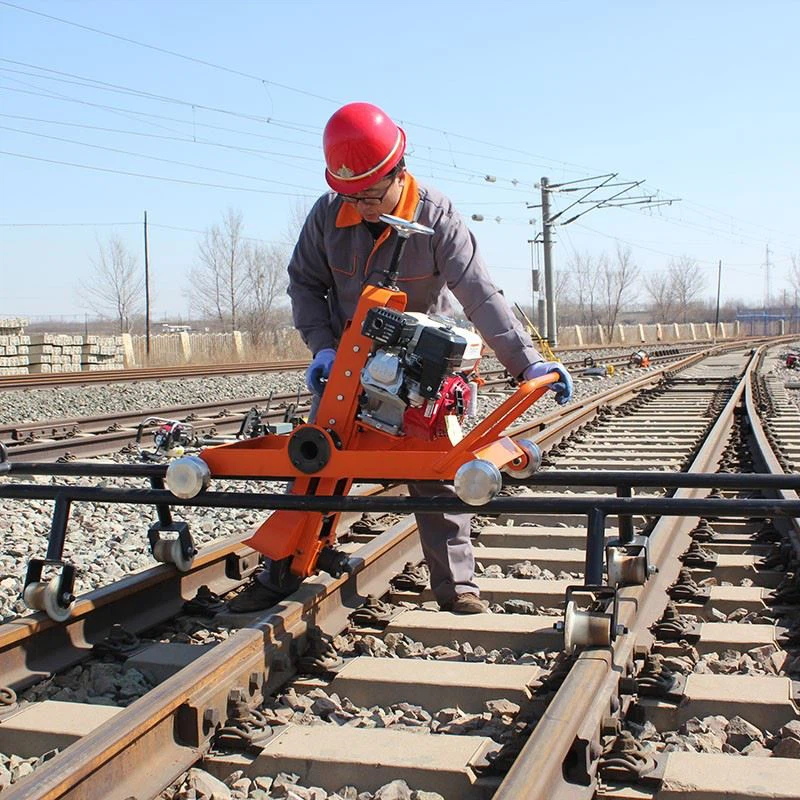
If you're in the business of railway maintenance, you might be interested in some of our related products. We offer high - quality Track Grinding Machine that are essential for keeping railway tracks in top condition. Our Electrical Rail Grinding Machine is energy - efficient and easy to operate. And for cutting railway tracks, our Railway Cutter is a reliable choice.
Contact for Purchase
I hope this guide on installing a drainage system in a 20ft flat pack container has been helpful. If you're interested in purchasing our 20ft flat pack containers or any of our other products, don't hesitate to reach out. We're always ready to discuss your needs and provide you with the best solutions.
References
- "Container Living: A Practical Guide" by Container Living Network
- "DIY Drainage Systems for Small Spaces" by Home Improvement Magazine
Send Inquiry