



How do you monitor the operation of a track grinding machine?
Jan 14, 2026
Leave a message
As a supplier of track grinding machines, understanding how to effectively monitor the operation of these crucial pieces of equipment is paramount. Track grinding machines play a vital role in maintaining the integrity and performance of railway tracks. In this blog, we will delve into the various aspects of monitoring the operation of a track grinding machine.
1. Understanding the Basics of Track Grinding Machines
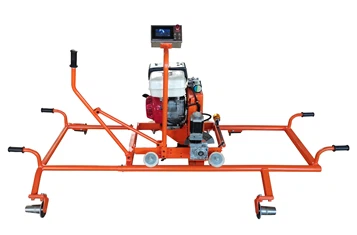
Before we discuss monitoring, it's essential to have a clear understanding of track grinding machines. These machines are designed to remove irregularities from the surface of railway tracks. They can correct issues such as corrugation, shelling, and gauge corner wear. There are different types of track grinding machines available in the market, including Rail Grinding Equipment, Switch And Rail Grinding Machine, and Portable Rail Grinder. Each type has its own unique features and applications.
The operation of a track grinding machine involves several key components. The grinding wheels, which are the main working parts, are responsible for removing material from the rail surface. The control system manages the movement of the machine, the pressure applied by the grinding wheels, and the speed of operation. The power source, whether it's diesel, electric, or a combination, provides the energy needed for the machine to function.
2. Monitoring the Mechanical Components
One of the primary aspects of monitoring a track grinding machine is the mechanical components. The grinding wheels are subject to wear and tear during operation. Regular inspection of the grinding wheels is necessary to ensure they are in good condition. This includes checking for signs of excessive wear, cracks, or uneven wear. If the grinding wheels are not in optimal condition, it can lead to poor grinding results and potentially damage the rail surface.
The bearings in the machine also need to be monitored. Bearings support the rotating parts of the machine and ensure smooth operation. Over time, bearings can wear out, leading to increased friction and noise. Monitoring the temperature of the bearings can be an effective way to detect early signs of wear. An increase in temperature may indicate that the bearings are under stress and need to be inspected or replaced.
The hydraulic system, which is used to control the movement of the grinding wheels and other components, is another critical area to monitor. The hydraulic fluid level should be checked regularly, and any signs of leakage should be addressed immediately. The pressure in the hydraulic system also needs to be monitored to ensure it is within the recommended range.
3. Monitoring the Electrical and Control Systems
In modern track grinding machines, the electrical and control systems play a crucial role. These systems are responsible for controlling the operation of the machine, including the speed, direction, and pressure of the grinding wheels. Monitoring the electrical components, such as motors, sensors, and controllers, is essential to ensure the machine operates safely and efficiently.
The sensors on the machine provide valuable information about the operating conditions. For example, sensors can measure the speed of the machine, the pressure applied by the grinding wheels, and the temperature of various components. By monitoring the data from these sensors, operators can detect any abnormal conditions and take appropriate action.
The control system software also needs to be monitored. Regular software updates are necessary to ensure the machine has the latest features and bug fixes. Additionally, the control system should be tested periodically to ensure it is functioning correctly.
4. Monitoring the Grinding Process
The grinding process itself is a critical area to monitor. The quality of the grinding results depends on several factors, including the speed of the machine, the pressure applied by the grinding wheels, and the type of grinding pattern used. Monitoring the grinding process can help ensure that the desired results are achieved.
One way to monitor the grinding process is to use surface profiling technology. This technology allows operators to measure the surface profile of the rail before and after grinding. By comparing the two profiles, operators can determine the effectiveness of the grinding process and make any necessary adjustments.
Another important aspect of monitoring the grinding process is the amount of material removed. Excessive material removal can lead to premature wear of the rail, while insufficient material removal may not correct the track irregularities. Monitoring the material removal rate can help operators optimize the grinding process.
5. Data Collection and Analysis
To effectively monitor the operation of a track grinding machine, data collection and analysis are essential. Modern track grinding machines are equipped with a variety of sensors that can collect data on various aspects of the machine's operation. This data can be used to identify trends, detect potential problems, and optimize the performance of the machine.
Data collection can be done in real-time or at regular intervals. Real-time data collection allows operators to respond immediately to any abnormal conditions. Regular data collection, on the other hand, can be used for long-term analysis and performance evaluation.
Once the data is collected, it needs to be analyzed. This can involve using statistical methods, machine learning algorithms, or other analytical tools. The analysis can help identify patterns and correlations in the data, which can provide valuable insights into the operation of the machine.
6. Preventive Maintenance and Monitoring
Monitoring the operation of a track grinding machine is closely related to preventive maintenance. By monitoring the machine's operation, operators can detect potential problems before they become major issues. This allows for timely maintenance and repairs, which can reduce downtime and extend the lifespan of the machine.
Preventive maintenance plans should be based on the data collected from the monitoring process. For example, if the data shows that a particular component is experiencing increased wear, the maintenance plan can include more frequent inspections or replacement of that component.
Regular maintenance tasks, such as lubrication, cleaning, and calibration, should also be part of the preventive maintenance plan. These tasks can help ensure the machine operates smoothly and efficiently.
7. Training and Operator Awareness
Finally, training and operator awareness are crucial for effective monitoring of a track grinding machine. Operators should be trained on how to use the monitoring systems and interpret the data. They should also be aware of the importance of monitoring and the potential consequences of ignoring abnormal conditions.
Regular training sessions can help operators stay up-to-date with the latest monitoring techniques and technologies. These sessions can also provide an opportunity for operators to share their experiences and learn from each other.
In addition to training, operators should be encouraged to report any abnormal conditions or issues they notice during the operation of the machine. This can help ensure that problems are addressed promptly and prevent further damage.
Conclusion
Monitoring the operation of a track grinding machine is a complex but essential task. By monitoring the mechanical components, electrical and control systems, grinding process, and collecting and analyzing data, operators can ensure the machine operates safely and efficiently. Preventive maintenance based on the monitoring results can reduce downtime and extend the lifespan of the machine. Finally, training and operator awareness are crucial for effective monitoring.
If you are interested in learning more about our track grinding machines or have any questions regarding the monitoring of these machines, we invite you to contact us. We are here to provide you with the best solutions for your railway track maintenance needs.

References
- Railway Engineering Handbook, various editions
- Technical manuals of track grinding machines
- Industry research papers on railway track maintenance and monitoring
Send Inquiry