



What materials are used to build a mobile house with wheel?
Jun 27, 2025
Leave a message
Hey there! I'm a supplier of mobile houses with wheels, and today I'm super excited to chat with you about the materials we use to build these amazing homes on the go.
Let's start with the foundation, quite literally—the chassis. The chassis is like the backbone of a mobile house with wheels. We typically use high - strength steel for this part. Steel is an excellent choice because it's incredibly durable. It can withstand the weight of the entire house, plus all the movement and vibrations that come with being on the road. Whether you're driving on smooth highways or bumpy country roads, a steel chassis provides the stability and support needed to keep your mobile house safe. It's also resistant to corrosion, which is crucial since it's constantly exposed to different weather conditions. High - strength steel ensures that the chassis can last for years, giving you peace of mind during your travels.
Moving on to the walls. There are a few options we commonly use. One popular material is aluminum composite panels. These panels are made up of two thin aluminum sheets sandwiching a non - aluminum core. They're lightweight, which is a huge advantage for a mobile house. Since weight is a critical factor when it comes to mobility, using lightweight materials means better fuel efficiency and easier towing. Aluminum composite panels are also very easy to clean and maintain. They have a smooth surface that resists dirt and grime, and a simple wipe - down can keep them looking new.

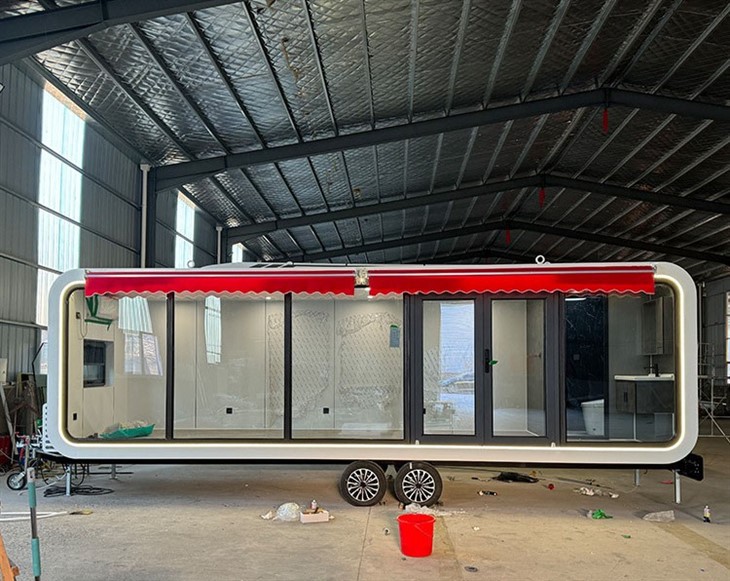
Another great option for the walls is fiberglass. Fiberglass is known for its insulation properties. It helps to keep the interior of the mobile house warm in the winter and cool in the summer. This means you can save on heating and cooling costs, making your mobile living more cost - effective. Fiberglass is also strong and flexible. It can withstand minor impacts without cracking or breaking, which is important considering the potential bumps and knocks a mobile house might experience.
For the roof, we often turn to rubber roofing membranes. Rubber is waterproof and highly resistant to UV rays. This means it can protect the interior of the mobile house from water damage and the sun's harmful rays. Rubber roofing membranes are also easy to install and repair. If there's a small tear or puncture, it can usually be patched up quickly. They're flexible, so they can adapt to the shape of the roof and any movement of the mobile house without losing their integrity.
Now, let's talk about the windows and doors. Vinyl is a popular choice for window frames. Vinyl is energy - efficient. It has a low thermal conductivity, which means it doesn't transfer heat as easily as other materials. This helps to keep the interior temperature stable. Vinyl frames are also durable and require little maintenance. They won't rot, warp, or rust like some other materials, and they come in a variety of colors to match the aesthetic of your mobile house.
When it comes to the glass in the windows, double - glazed or triple - glazed glass is often used. Double - glazed glass consists of two layers of glass separated by a layer of air or gas. This provides better insulation than single - glazed glass. Triple - glazed glass takes it a step further with three layers of glass, offering even better energy efficiency. The gas between the glass layers can be argon or krypton, which are inert gases that further improve the insulation properties.
For the interior finishes, we use a variety of materials. For the flooring, laminate flooring is a common choice. It's affordable, easy to install, and looks great. Laminate flooring comes in a wide range of styles, from wood - like to stone - like finishes, so you can choose the look that suits your taste. It's also durable and resistant to scratches and stains, which is important in a mobile house where there might be a lot of foot traffic.
For the kitchen cabinets and countertops, we might use a combination of materials. Plywood is often used for the cabinet boxes because it's strong and relatively inexpensive. For the countertops, quartz is a popular option. Quartz is non - porous, which means it doesn't absorb liquids or bacteria. It's also very hard and scratch - resistant, making it perfect for a kitchen where there's a lot of cutting and chopping going on.
Now, I'd like to introduce you to some of our amazing products. Check out the Apple House On Wheel. It's a beautiful and well - crafted mobile house with all the high - quality materials we've talked about. If you're looking for a more compact option, the 20ft Apple House On Wheel might be just what you need. And of course, our general Mobile House with Wheel collection offers a variety of styles and sizes to fit different needs and budgets.
If you're interested in purchasing a mobile house with wheels, or if you have any questions about the materials we use or the products we offer, don't hesitate to reach out. We're here to help you find the perfect mobile home for your adventures. Whether you're a full - time traveler or just looking for a weekend getaway spot, a mobile house with wheels can be a great option.
In conclusion, the materials used to build a mobile house with wheels are carefully selected to balance durability, weight, energy efficiency, and aesthetics. From the steel chassis to the quartz countertops, every component plays an important role in creating a comfortable and functional mobile living space. So, if you're in the market for a mobile house, consider the materials and how they can meet your needs.
References:
- Building Materials Handbook
- Mobile Home Construction Guide
Send Inquiry