



What are the pros and cons of an apple cabin tiny house?
Aug 29, 2025
Leave a message
What are the pros and cons of an apple cabin tiny house?
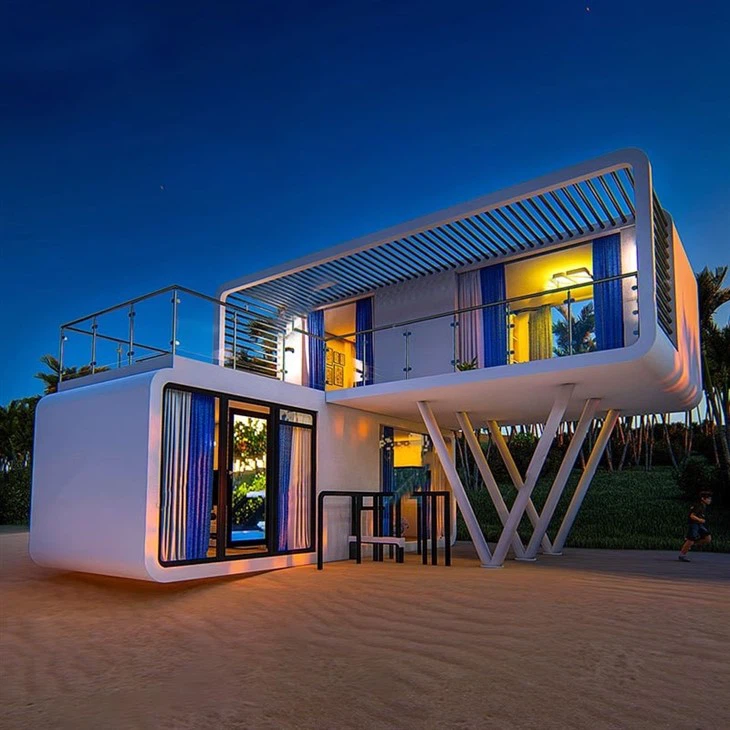
As a supplier of apple cabin tiny houses, I've had the privilege of witnessing firsthand the growing popularity of these unique living spaces. Apple cabin tiny houses offer a blend of charm, functionality, and sustainability, but like any housing option, they come with their own set of advantages and disadvantages. In this blog post, I'll explore the pros and cons of apple cabin tiny houses to help you make an informed decision if you're considering one for your next home or getaway.

Pros of an Apple Cabin Tiny House
1. Affordability
One of the most significant advantages of an apple cabin tiny house is its affordability. Compared to traditional homes, tiny houses are generally much cheaper to build or purchase. This makes them an attractive option for first-time homebuyers, retirees on a fixed income, or anyone looking to downsize and save money. Additionally, the lower cost of living associated with a tiny house, including reduced utility bills and maintenance expenses, can further stretch your budget.
2. Mobility
Another benefit of an apple cabin tiny house is its mobility. Many tiny houses are built on wheels, allowing you to easily move them from one location to another. This flexibility is ideal for those who enjoy traveling or want the option to change their scenery periodically. You can park your tiny house on a friend's property, at a campground, or in a designated tiny house community. This mobility also provides the opportunity to live off the grid and explore different parts of the country without the commitment of a traditional home.
3. Sustainability
Apple cabin tiny houses are often designed with sustainability in mind. They typically use less energy and resources than traditional homes, making them a more environmentally friendly option. Many tiny houses are built with recycled or reclaimed materials, and they can be equipped with energy-efficient appliances and solar panels to reduce their carbon footprint. Additionally, the smaller size of a tiny house means less space to heat and cool, further reducing energy consumption.
4. Minimalism
Living in a tiny house encourages a minimalist lifestyle. With limited space, you're forced to be more intentional about the things you own and bring into your home. This can lead to a more clutter-free and organized living environment, as well as a greater appreciation for the things that truly matter. Minimalism can also have a positive impact on your mental health, reducing stress and promoting a sense of calm and well-being.
5. Unique Design
Apple cabin tiny houses are known for their unique and charming designs. They often feature a combination of modern and rustic elements, creating a warm and inviting atmosphere. The compact size of a tiny house allows for creative use of space, with built-in storage solutions and multi-functional furniture. Whether you prefer a traditional cabin look or a more contemporary style, there's an apple cabin tiny house design to suit your taste.
6. Community
The tiny house movement has created a strong sense of community among tiny house owners. There are numerous online forums, social media groups, and in-person events where tiny house enthusiasts can connect, share ideas, and offer support. Many tiny house communities also offer shared amenities, such as community gardens, playgrounds, and gathering spaces, providing opportunities for social interaction and a sense of belonging.
Cons of an Apple Cabin Tiny House
1. Limited Space
The most obvious drawback of an apple cabin tiny house is its limited space. While the compact size can be appealing in terms of affordability and mobility, it can also be challenging to live in a small space, especially if you have a large family or a lot of belongings. You'll need to be creative with your storage solutions and be willing to downsize your possessions. Additionally, the lack of space can make it difficult to entertain guests or have privacy.
2. Zoning and Regulations
Another challenge of owning an apple cabin tiny house is navigating the complex web of zoning and regulations. Many cities and towns have strict rules regarding the placement and use of tiny houses, and it can be difficult to find a suitable location to park your tiny house legally. Some areas may require a minimum lot size, while others may prohibit tiny houses altogether. It's important to do your research and consult with local authorities before purchasing or building a tiny house to ensure that you comply with all applicable regulations.
3. Limited Resale Value
Compared to traditional homes, apple cabin tiny houses may have a limited resale value. While the demand for tiny houses is growing, the market is still relatively niche, and it may be more difficult to find a buyer when it comes time to sell. Additionally, the value of a tiny house can be affected by factors such as its age, condition, and location. It's important to consider the potential resale value when making a decision about purchasing a tiny house.
4. Lack of Amenities
Living in an apple cabin tiny house may mean sacrificing some of the amenities that are commonly found in traditional homes. For example, you may not have a full-sized kitchen, a bathtub, or a large closet. You'll need to be willing to make do with smaller appliances and less storage space. Additionally, the lack of space may make it difficult to install certain amenities, such as a washer and dryer or a fireplace.
5. Maintenance and Repairs
While apple cabin tiny houses are generally low-maintenance, they still require regular upkeep and repairs. The smaller size of a tiny house means that any issues can have a greater impact on your living space, and it's important to address them promptly. Additionally, the mobility of a tiny house can make it more susceptible to wear and tear, especially if it's frequently moved. You'll need to be prepared to invest time and money in maintaining your tiny house to keep it in good condition.
6. Social Stigma
Despite the growing popularity of the tiny house movement, there is still some social stigma associated with living in a tiny house. Some people may view tiny houses as unconventional or unappealing, and you may encounter negative attitudes or misconceptions from others. It's important to be confident in your decision to live in a tiny house and to educate others about the benefits of this lifestyle.
Conclusion
In conclusion, an apple cabin tiny house offers a unique and appealing housing option with many advantages, including affordability, mobility, sustainability, minimalism, unique design, and community. However, it also comes with its own set of challenges, such as limited space, zoning and regulations, limited resale value, lack of amenities, maintenance and repairs, and social stigma. Before making a decision about purchasing or building an apple cabin tiny house, it's important to carefully consider your lifestyle, needs, and priorities, and to weigh the pros and cons.
If you're interested in learning more about our apple cabin tiny houses, we invite you to visit our website and explore our Apple Cabin Office, 20ft Apple Cabin Tiny House, and Pod Apple Cabin options. We're here to answer any questions you may have and to help you find the perfect tiny house for your needs. Contact us today to start the conversation and begin your journey towards tiny house living.
References
- "The Tiny House Movement: A Comprehensive Guide." Tiny House Talk.
- "Zoning and Regulations for Tiny Houses." Tiny House Build.
- "The Benefits and Challenges of Living in a Tiny House." The Spruce.
Send Inquiry