



Is a 40ft cabin tiny house suitable for all climates?
Oct 07, 2025
Leave a message
As a supplier of 40ft cabin tiny houses, I've been asked numerous times whether these compact dwellings are suitable for all climates. It's a valid question, considering the diverse range of weather conditions across the globe. In this blog post, I'll delve into the various factors that determine the climate - suitability of a 40ft cabin tiny house and share insights based on my experience in the industry.
Understanding the Basics of a 40ft Cabin Tiny House
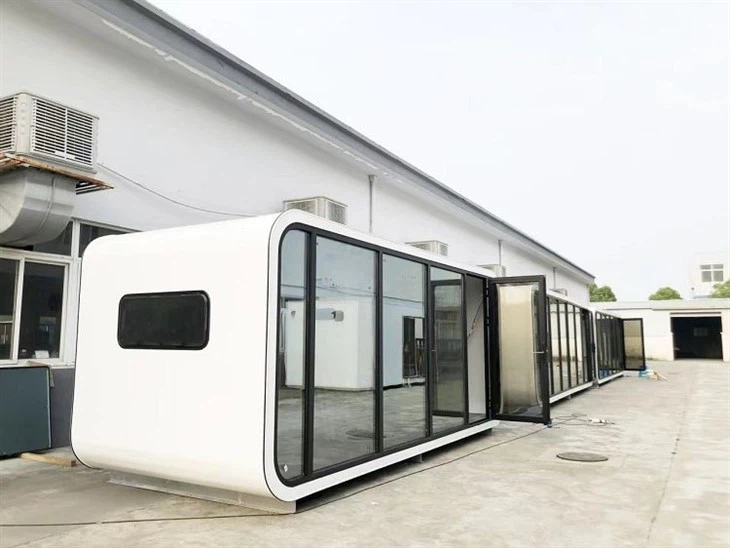
First, let's briefly introduce what a 40ft cabin tiny house is. Our 40ft Cabin Tiny House is a pre - fabricated, compact living space that offers a cozy and efficient alternative to traditional homes. It typically comes with a well - designed interior layout, including a sleeping area, a small kitchenette, a bathroom, and a living space. The size of 40 feet provides enough room for comfortable living while still maintaining the essence of a tiny house.
Factors Affecting Climate Suitability
Insulation
One of the most crucial factors in determining a tiny house's climate suitability is insulation. In cold climates, proper insulation is essential to keep the interior warm. A well - insulated 40ft cabin tiny house can significantly reduce heat loss. Materials such as spray foam insulation, fiberglass batts, or cellulose insulation can be used. Spray foam insulation, for example, provides an air - tight seal, preventing cold air from seeping in and warm air from escaping. In our The Apple Cabin, we use high - quality insulation materials to ensure that it can withstand cold winters.
In hot climates, insulation also plays a vital role. It helps to keep the interior cool by reducing the transfer of heat from the outside. Reflective insulation, which reflects solar radiation, can be particularly effective in hot regions. By having good insulation, our 40ft cabin tiny houses can maintain a comfortable indoor temperature regardless of the external climate.
Ventilation
Ventilation is another key aspect. In hot and humid climates, proper ventilation is necessary to remove moisture and prevent the growth of mold and mildew. Natural ventilation can be achieved through the use of windows, skylights, and vents. For example, installing operable windows on opposite sides of the cabin allows for cross - ventilation, which can effectively cool the interior. In our Prefab Apple Cabin Hotel, we design the ventilation system carefully to ensure good air circulation.
In cold climates, ventilation still matters. While we want to keep the warm air inside, a certain amount of fresh air exchange is needed to maintain good indoor air quality. Energy - efficient ventilation systems, such as heat recovery ventilators (HRVs) or energy recovery ventilators (ERVs), can be installed. These systems exchange stale indoor air with fresh outdoor air while recovering some of the heat from the outgoing air, reducing energy consumption.

Roofing and Siding
The choice of roofing and siding materials can also impact the climate suitability of a 40ft cabin tiny house. In hot climates, light - colored roofing materials can reflect more sunlight and reduce heat absorption. Metal roofs are a popular choice as they are durable and can have a high solar reflectance. Siding materials that are resistant to heat and UV rays, such as fiber cement siding, can also help protect the cabin from the harsh sun.
In cold climates, roofing materials need to be able to withstand heavy snow loads. Asphalt shingles or metal roofs with a steep pitch are often used. Siding materials should be able to resist freezing and thawing cycles without cracking or warping. Cedar siding is a good option as it is naturally resistant to rot and can handle cold temperatures well.
Heating and Cooling Systems
The type of heating and cooling systems installed in the 40ft cabin tiny house is a significant factor. In cold climates, a reliable heating system is a must. Options include electric heaters, propane heaters, or wood - burning stoves. Electric heaters are easy to install and operate, but they can be expensive to run. Propane heaters are more energy - efficient and can provide a consistent source of heat. Wood - burning stoves not only provide warmth but also add a cozy atmosphere to the cabin.
In hot climates, air conditioning is essential. Mini - split air conditioning systems are a popular choice for tiny houses as they are energy - efficient and can be zoned to cool specific areas. They also take up less space compared to traditional central air conditioning systems.
Climate - Specific Considerations
Cold Climates
In regions with long, cold winters, such as Canada and parts of Russia, a 40ft cabin tiny house needs to be well - prepared. As mentioned earlier, insulation is of utmost importance. The foundation of the cabin also needs to be designed to prevent heat loss. A raised foundation with proper insulation can help keep the cabin warm. Additionally, the water pipes need to be insulated to prevent freezing. Our 40ft cabin tiny houses are designed with these cold - climate considerations in mind, ensuring that they can provide a warm and comfortable living environment even in the harshest winters.
Hot and Humid Climates
In areas like Southeast Asia and parts of the southern United States, where the climate is hot and humid, the focus is on ventilation and moisture control. As we discussed, natural ventilation and proper drainage are crucial. The interior finishes should also be resistant to mold and mildew. Our cabins are designed with these requirements in mind, using materials that can withstand the high humidity and prevent the growth of harmful fungi.
Arid Climates
In arid regions, such as the deserts of the southwestern United States and the Middle East, water conservation becomes a key issue. Our 40ft cabin tiny houses can be equipped with water - saving fixtures, such as low - flow toilets and faucets. The exterior finishes should also be able to withstand the extreme temperature fluctuations between day and night. Light - colored and reflective materials can help keep the cabin cool during the day, and proper insulation can prevent heat loss at night.
Conclusion
So, is a 40ft cabin tiny house suitable for all climates? The answer is yes, but with proper design and customization. By paying attention to insulation, ventilation, roofing, siding, and heating and cooling systems, our 40ft cabin tiny houses can be adapted to a wide range of climates. Whether you're looking for a cozy retreat in the mountains or a comfortable living space in the tropics, our 40ft Cabin Tiny House can be tailored to meet your needs.
If you're interested in purchasing a 40ft cabin tiny house and want to discuss how it can be customized for your specific climate, please feel free to reach out to us. We're here to help you find the perfect solution for your living situation.
References
- Building Science Corporation. "Insulation and Ventilation Best Practices."
- Energy Star. "Heating and Cooling for Small Spaces."
- National Association of Home Builders. "Roofing and Siding Materials for Different Climates."
Send Inquiry