



How to install a septic system for a 40ft cabin tiny house?
Sep 01, 2025
Leave a message
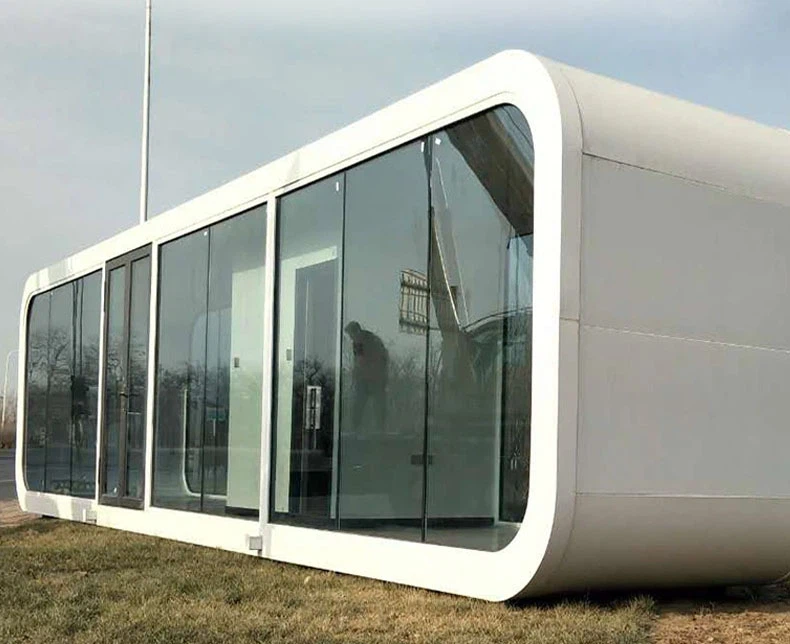
As a provider of 40ft cabin tiny houses, I often get asked about the installation of septic systems for these cozy abodes. A proper septic system is crucial for the functionality and environmental friendliness of a tiny house, especially one like our Prefab Apple Cabin Hotel, The Apple Cabin, and Pod House Apple Cabin. In this blog, I'll walk you through the process of installing a septic system for a 40ft cabin tiny house.
Step 1: Site Evaluation
The first and most critical step in installing a septic system is to conduct a thorough site evaluation. This involves assessing the soil type, topography, water table level, and proximity to water bodies, wells, and property lines. The soil type is particularly important as it determines the system's ability to treat and disperse wastewater effectively. For instance, sandy soils allow for faster percolation, while clayey soils may require additional treatment or a different system design.
You'll need to hire a professional soil scientist or a septic system designer to perform a perc test. This test measures the rate at which water seeps into the soil and helps determine the size and type of septic system required. The results of the perc test will also influence the location of the septic tank and drainfield.
Step 2: Obtain Permits
Before you can start installing a septic system, you must obtain the necessary permits from your local health department or environmental agency. These permits ensure that the system meets all local codes and regulations and is installed correctly to protect public health and the environment.
The permit application process typically involves submitting detailed plans and specifications for the septic system, including the location, size, and type of system, as well as the results of the soil evaluation. You may also need to provide information about the proposed use of the tiny house, such as the number of bedrooms and the expected water usage.
Step 3: Choose the Right Septic System
There are several types of septic systems available, each with its own advantages and disadvantages. The most common types include conventional septic systems, aerobic treatment units (ATUs), and mound systems.

- Conventional Septic Systems: These are the most traditional and widely used septic systems. They consist of a septic tank and a drainfield. The septic tank separates solids from liquids, allowing the liquids to flow into the drainfield, where they are further treated and dispersed into the soil. Conventional systems are relatively simple and cost-effective but require suitable soil conditions and adequate space.
- Aerobic Treatment Units (ATUs): ATUs use oxygen to break down organic matter more efficiently than conventional systems. They are suitable for sites with poor soil conditions or limited space. ATUs typically include a septic tank, an aeration chamber, and a disinfection unit. The aeration chamber adds oxygen to the wastewater, promoting the growth of aerobic bacteria that break down the organic matter. The disinfection unit then treats the effluent to remove harmful pathogens before it is discharged into the drainfield.
- Mound Systems: Mound systems are used when the soil conditions are too poor or the water table is too high for a conventional system. They consist of a septic tank and a raised drainfield, or mound, that is constructed above the natural soil. The mound provides additional treatment and dispersion of the wastewater by allowing it to percolate through a layer of gravel and sand before reaching the natural soil.
When choosing a septic system for your 40ft cabin tiny house, consider factors such as the soil conditions, available space, budget, and maintenance requirements. A professional septic system designer can help you select the most appropriate system for your specific needs.
Step 4: Prepare the Site
Once you have obtained the necessary permits and chosen the right septic system, it's time to prepare the site for installation. This involves clearing the area where the septic tank and drainfield will be located, removing any vegetation, rocks, or debris, and grading the soil to ensure proper drainage.
You'll also need to excavate the area for the septic tank and drainfield. The size and depth of the excavation will depend on the type and size of the septic system. Make sure to follow the plans and specifications provided by the septic system designer to ensure the correct installation.
Step 5: Install the Septic Tank
The septic tank is the first component of the septic system and plays a crucial role in the treatment of wastewater. It is typically made of concrete, fiberglass, or plastic and is buried underground near the tiny house.
The installation of the septic tank involves placing it in the excavated area and connecting it to the plumbing system of the tiny house. The tank should be level and properly supported to prevent cracking or shifting. You'll also need to install the inlet and outlet pipes, as well as the access risers, which allow for easy inspection and maintenance of the tank.
Step 6: Install the Drainfield
The drainfield, also known as the leach field, is where the treated wastewater is dispersed into the soil. It consists of a network of perforated pipes or chambers buried in a gravel or sand bed. The drainfield should be located at least 10 feet from the septic tank and at least 50 feet from any water body, well, or property line.
The installation of the drainfield involves laying the pipes or chambers in the excavated area and covering them with gravel or sand. The pipes should be sloped slightly to ensure proper drainage and prevent clogging. You'll also need to install a distribution box, which evenly distributes the wastewater among the pipes or chambers.
Step 7: Backfill and Restore the Site
After the septic tank and drainfield are installed, you'll need to backfill the excavated areas with soil and restore the site to its original condition. This involves compacting the soil around the tank and drainfield to prevent settling and erosion. You can then replant any vegetation that was removed during the site preparation process.
Step 8: Perform a Final Inspection
Once the septic system is installed and the site is restored, you'll need to schedule a final inspection with your local health department or environmental agency. The inspector will check the system to ensure that it meets all local codes and regulations and is functioning properly.
During the inspection, the inspector will examine the septic tank, drainfield, and all connections to ensure that they are installed correctly and are free of leaks. They may also test the system to ensure that it is treating and dispersing wastewater effectively. If the system passes the inspection, you'll receive a certificate of compliance, indicating that the system is ready for use.
Step 9: Maintenance and Care
Proper maintenance and care are essential to ensure the long-term performance and durability of your septic system. This includes regular pumping of the septic tank, typically every 3 to 5 years, depending on the size of the tank and the number of occupants. You should also avoid flushing non-biodegradable items, such as wipes, feminine hygiene products, or grease, down the drain, as these can clog the system and cause damage.
In addition, you'll need to monitor the system regularly for any signs of problems, such as slow drains, backups, or odors. If you notice any issues, it's important to address them promptly to prevent further damage to the system.
Conclusion
Installing a septic system for a 40ft cabin tiny house is a complex process that requires careful planning, preparation, and execution. By following the steps outlined in this blog and working with a professional septic system installer, you can ensure that your septic system is installed correctly and functions properly for years to come.
If you're interested in purchasing a 40ft cabin tiny house, such as our Prefab Apple Cabin Hotel, The Apple Cabin, or Pod House Apple Cabin, and need assistance with septic system installation, please don't hesitate to contact us. We're here to help you every step of the way.
References
- American Society of Plumbing Engineers (ASPE). Septic Tank Design and Installation Guidelines.
- National Environmental Services Center (NESC). Septic System Handbook.
- United States Environmental Protection Agency (EPA). Onsite Wastewater Treatment Systems.
Send Inquiry