



How do you deal with high humidity in a mobile house with wheel?
Oct 16, 2025
Leave a message
Hey there! As a supplier of mobile houses with wheels, I've seen my fair share of challenges that come with these unique living spaces. One of the most common issues folks face, especially in certain climates, is high humidity. It can make your cozy mobile home feel like a sauna, and if left unchecked, it can lead to some serious problems like mold and mildew. So, in this blog, I'm gonna share some tips on how to deal with high humidity in a mobile house with wheels.

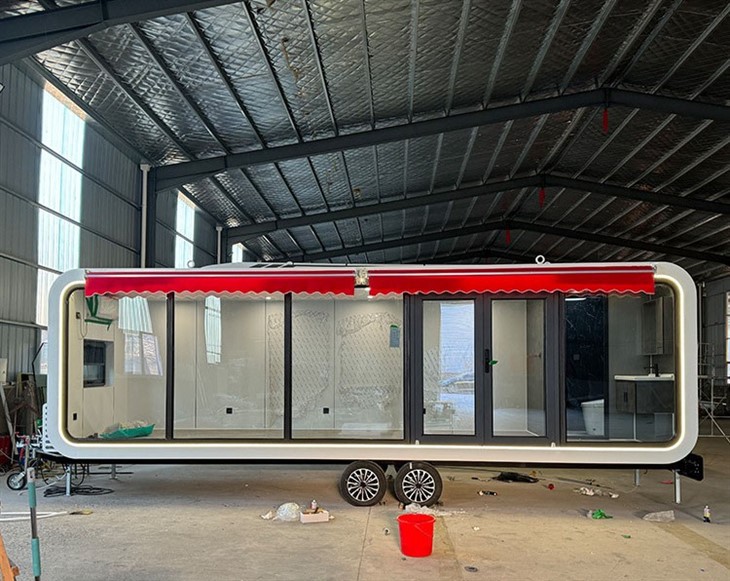
First off, let's talk about why humidity can be such a big deal in a mobile house. These homes are often smaller and more enclosed than traditional houses, which means moisture can build up quickly. Plus, since they're on wheels, they might not have the same level of insulation or ventilation as a stationary home. All these factors can contribute to a humid environment that's not only uncomfortable but can also damage your home and your health.
Ventilation is Key
One of the simplest and most effective ways to reduce humidity is to improve ventilation. In a mobile house, this can be a bit tricky, but there are still plenty of options.
- Open Windows and Doors: When the weather allows, crack open the windows and doors to let fresh air circulate. This helps to push out the humid air and bring in drier air from outside. It's a quick and easy fix, but it only works when the outside air is less humid than the air inside.
- Use Exhaust Fans: Install exhaust fans in the kitchen and bathroom. These fans can quickly remove moist air generated from cooking, showering, or washing dishes. Make sure to run them for at least 20 - 30 minutes after using these areas to get rid of all the humidity.
- Add a Ventilation System: If you're looking for a more permanent solution, consider installing a whole - house ventilation system. There are different types available, like a mechanical ventilation with heat recovery (MVHR) system. This system exchanges the stale, humid air inside your mobile house with fresh, filtered air from outside while also recovering some of the heat, which can be great for energy efficiency.
Dehumidifiers to the Rescue
Another great tool for combating humidity is a dehumidifier. These appliances work by pulling in the humid air, removing the moisture, and then blowing the drier air back into the room.
- Choose the Right Size: When selecting a dehumidifier, it's important to choose the right size for your mobile house. You can calculate the appropriate capacity based on the square footage of your living space. A small dehumidifier might work for a single - room mobile house, while a larger unit might be needed for a multi - room setup.
- Place it Strategically: Put the dehumidifier in the area where humidity is the highest. This is often the bathroom, kitchen, or basement area of a mobile house. Make sure it has enough space around it to allow for proper air circulation.
- Empty the Water Tank Regularly: Most dehumidifiers have a water tank that needs to be emptied regularly. Set a reminder to check it, especially during periods of high humidity, to keep the dehumidifier working efficiently.
Seal and Insulate
Proper sealing and insulation can also play a big role in controlling humidity in a mobile house.
- Seal Leaks: Check for any gaps or cracks around windows, doors, pipes, and electrical outlets. Use caulk or weatherstripping to seal these leaks. This prevents outside air, which might be humid, from seeping into your home.
- Insulate Walls and Ceilings: Good insulation helps to regulate the temperature inside your mobile house. When the temperature is more stable, it's less likely for condensation to form on the walls and ceilings, which can contribute to humidity. You can use insulation materials like fiberglass or foam board to insulate your mobile house.
Control Moisture Sources
Reducing the amount of moisture being generated inside your mobile house is also crucial.
- Limit Water Usage: Be mindful of how much water you're using. Fix any leaky faucets or pipes immediately. When doing laundry or dishes, try to use the minimum amount of water necessary.
- Dry Clothes Outside: If possible, dry your clothes outside instead of inside your mobile house. Hanging wet clothes inside can add a significant amount of moisture to the air.
Consider the Location
Where you park your mobile house can also affect the humidity levels.
- Avoid Low - Lying Areas: Low - lying areas tend to collect moisture, so try to park your mobile house on higher ground. This helps to keep it away from standing water and reduces the risk of humidity seeping into your home.
- Shade and Sunlight: Park your mobile house in a spot that gets a good balance of shade and sunlight. Too much direct sunlight can heat up your home, causing the air to hold more moisture. On the other hand, too much shade can keep the air stagnant and humid.
Our Mobile House Options
If you're in the market for a new mobile house with wheels, we've got some great options. Check out our Apple House On Wheel, Mobile Apple House On Wheel, and Container Home On Wheels. These homes are designed with quality and comfort in mind, and we can help you find the perfect one to suit your needs.
Dealing with high humidity in a mobile house with wheels might seem like a challenge, but with the right strategies, it's definitely manageable. By improving ventilation, using dehumidifiers, sealing and insulating, controlling moisture sources, and choosing the right location, you can create a comfortable and healthy living environment.
If you're interested in learning more about our mobile houses or have any questions about dealing with humidity, don't hesitate to reach out. We're here to help you make the most of your mobile living experience. Let's start a conversation about your mobile house needs and how we can assist you in creating the perfect home on wheels.
References
- "The Complete Guide to Home Ventilation" by the Home Ventilation Institute
- "Dehumidifiers: How They Work and Which One to Choose" by Consumer Reports
- "Insulation Basics for Mobile Homes" by the U.S. Department of Energy
Send Inquiry